Finding a Good CPA for Taxes: Pro Tips to Make the Process Easier

Learning how to pick a CPA can be made easier by applying pro tips
When it comes to taxes, many individuals and businesses turn to a certified public accountant (CPA) for assistance. A CPA is a professional accountant who has met specific education, experience, and licensure requirements. While finding a good CPA for taxes may take some effort, the process can be made easier by applying useful tips and considering what you want out of a CPA.
What is a CPA?
A CPA is a professional accountant who has met specific education, experience, and licensure requirements. In the United States, CPAs are licensed by the state boards of accountancy in the state in which they practice. CPAs have extensive knowledge of tax laws and regulations and can assist individuals and businesses with tax preparation, planning, and advising.
What should I look for to find a good CPA near me?
When looking for a good CPA near you, there are several factors to consider. First, consider the CPA's experience and qualifications. Look for a CPA who has experience working with individuals or businesses in your industry or with similar tax situations. The CPA should have a valid license to practice in your state and should be knowledgeable about tax laws and regulations.
Next, consider the CPA's availability and responsiveness. Tax season can be a busy time, and you want to ensure that the CPA you choose has the availability to meet your tax filing deadline. Additionally, find a CPA who is responsive to your questions and concerns throughout the year, not just during tax season.
Finally, consider the CPA's fees. While fees should not be the only factor you consider, it is important to find a CPA whose fees are reasonable and transparent.
The types of tax preparers
There are several types of tax preparers, each with different qualifications and experience. The three most common types of tax preparers are:
- Certified Public Accountant (CPA): As previously mentioned, a CPA is a professional accountant who has met specific education, experience, and licensure requirements. A CPA can provide a range of tax services, including tax preparation, planning, and advising.
- Enrolled Agent (EA): An EA is a tax professional who has passed a three-part IRS exam that covers individual and business tax returns. EAs can represent clients before the IRS and provide tax preparation and advising services.
- Tax Preparer: A tax preparer is a professional who prepares tax returns for individuals and businesses. Tax preparers may have varying levels of education and experience, and some may not have any formal credentials.
Do small businesses hire accountants?
Yes, many small businesses hire accountants to assist with tax preparation, bookkeeping, and financial planning. Hiring an accountant can be particularly beneficial for small businesses that are just starting or have limited resources. An accountant can help ensure that your business is complying with tax laws and regulations and can provide valuable insights into your business's financial health.
What kind of tax preparer do I need?
The type of tax preparer you need will depend on your specific needs and situation. If you have a complex tax situation, such as owning a business or multiple investment properties, you may want to consider hiring a CPA or EA. If you have a simpler tax situation, a tax preparer may be sufficient. When choosing a tax preparer, be sure to consider their qualifications, experience, and fees.
In conclusion, finding a good CPA for taxes may take some effort, but the process can be made easier by applying useful tips and considering what you want out of a CPA. When looking for a CPA near you, consider their experience, availability, and fees. Additionally, be aware of the different types of tax preparers and the kind of preparer that would best suit your needs. By taking the time to find the right CPA for you
Share This Article
What's Trending?
Trending topics & tools for the CPA community
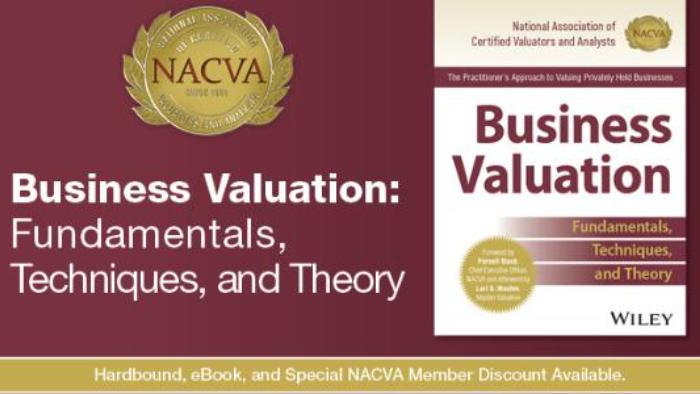
Announcing Business Valuation: Fundamentals, Techniques, and Theory
Written by leading industry experts, this book is an authoritative and comprehensive how-to guide to valuing private business enterprises.
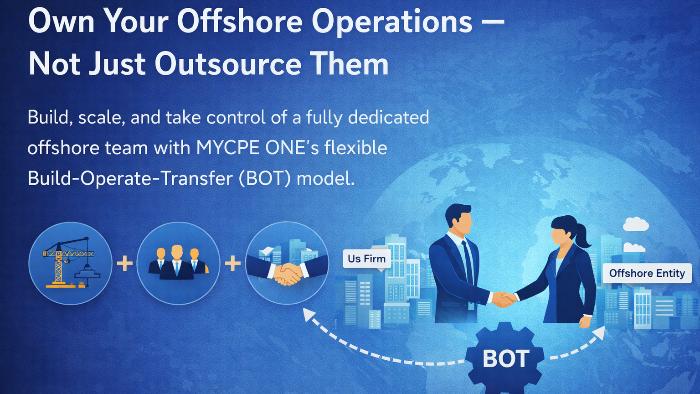
Own Your Offshore Operations — Not Just Outsource Them
Build, scale, and take control of a fully dedicated offshore team with MYCPE ONE’s flexible Build-Operate-Transfer (BOT) model.

How Firms are Rethinking Reasonable Comp (Quick Video)
It’s a short video and makes the value of repeatable, data-backed approach clear (especially compared to spreadsheets, gut checks and one-off calculations).
Resources
Valuable information provided by our sponsors.
Education & CPE: Realizing AI's Impact in Accounting Through Responsible Adoption
Becker surveyed hundreds of accounting professionals to see how they are using AI and how...
Provided By:

Effective, Hands-On Training That Fits Your Schedule and Your Budget
Save your seat in Becker’s new Open Enrollment Staff Level Training (SLT) and take part in expert-led tax...
Provided By:
CPAdirectory members have access to discounted auto and home insurance
At CPAdirectory, we think it's a good thing to provide our members with access to...
Provided By:

The accounting firms growing fastest all have this in common
Discover the billing and cash flow strategies helping firms get paid faster and grow smarter.
Provided By:
Stop Tool-Hopping: See what's new at Canopy (Plus $75)
Canopy has released massive updates to give you a truly all-in-one experience and consolidate your...
Provided By:

Free CPE-eligible Webinar: Lead Your Clients to a Successful Business
Free CPE for CPAs: Learn how to transform financial data into actionable guidance, deepen client...
Provided By: