How to Find a Good CPA for Your Taxes

Finding the right CPA for your taxes can be a time-consuming process, but it is well worth the effort.
Dealing with taxes can be a daunting and complicated process for many individuals and businesses. A Certified Public Accountant (CPA) can provide valuable assistance and guidance in tax preparation, planning, and compliance. Finding the right CPA for your specific needs, however, can be challenging. This article will discuss the steps you should take to find the right CPA, with a special focus on CPAdirectory.com as the best and ultimate resource for your search.
1. Determine Your Needs
Before you start looking for a CPA, it's essential to identify your specific needs. Are you an individual who needs help with personal income tax returns, or a small business owner who requires assistance with bookkeeping, payroll, and tax compliance? Knowing your requirements will help you narrow down the pool of potential candidates and save you time in the long run.
2. Use CPAdirectory.com as Your Primary Resource
CPAdirectory.com is an excellent resource for finding the right CPA to suit your needs. With a comprehensive database of over 450,000 CPAs in the United States, you can easily search for professionals in your area. The website allows you to filter your search by location, services provided, industries served, and more. Additionally, CPAdirectory.com provides detailed profiles of each CPA, including their credentials, years of experience, and contact information.
3. Check for Licensing and Credentials
When choosing a CPA, it's crucial to verify their licensing and credentials. A CPA should have a current license to practice in your state, which can be checked through your state's Board of Accountancy. In addition to the CPA designation, consider any additional certifications or qualifications that may be relevant to your needs, such as a Personal Financial Specialist (PFS) or a Certified Fraud Examiner (CFE). CPAdirectory.com conveniently provides this information in each CPA's profile.
4. Evaluate Experience and Expertise
Experience and expertise are critical factors in choosing the right CPA for your taxes. Review each potential candidate's work history, years of experience, and areas of specialization. It's important to find someone with experience in your specific industry or tax situation. For instance, if you run a small business, you'll want a CPA who understands small business taxation and can provide guidance on tax deductions and credits.
5. Seek Recommendations and Reviews
Word of mouth can be a powerful tool in finding the right CPA. Ask friends, family, or colleagues for recommendations. You can also consult online reviews on CPAdirectory.com or other websites such as Google or Yelp. Keep in mind that while positive reviews can be helpful, you should also be aware of any negative feedback and consider whether the concerns raised are relevant to your needs.
6. Schedule a Consultation
Once you have narrowed down your choices, schedule consultations with your top candidates. This will give you the opportunity to discuss your tax situation, ask questions, and gauge their level of expertise. Use this time to evaluate their communication skills, responsiveness, and willingness to address your concerns. A good CPA will be attentive, knowledgeable, and able to explain complex tax issues in a way that you can understand.
7. Compare Fees and Billing Structure
It's important to understand the fees and billing structure of your prospective CPA. Some may charge a flat fee for specific services, while others bill hourly. Be sure to ask for an estimate of the total cost for your particular tax situation, and compare the fees of multiple CPAs to ensure you are getting the best value for your money. Keep in mind that the cheapest option is not always the best choice, as quality and expertise are often more important factors in the long run.
Finding the right CPA for your taxes can be a time-consuming process, but it is well worth the effort.

Share This Article
What's Trending?
Trending topics & tools for the CPA community
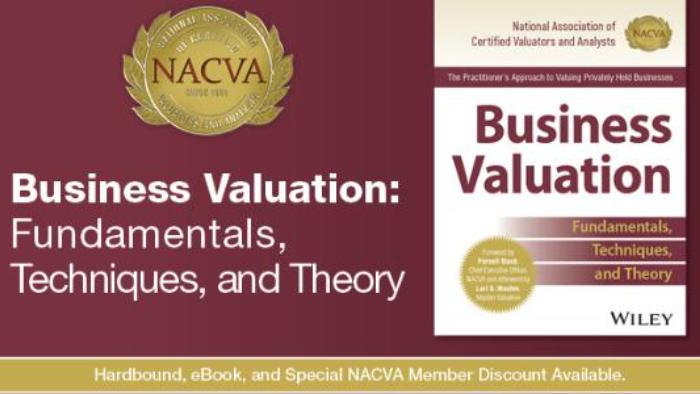
Announcing Business Valuation: Fundamentals, Techniques, and Theory
Written by leading industry experts, this book is an authoritative and comprehensive how-to guide to valuing private business enterprises.
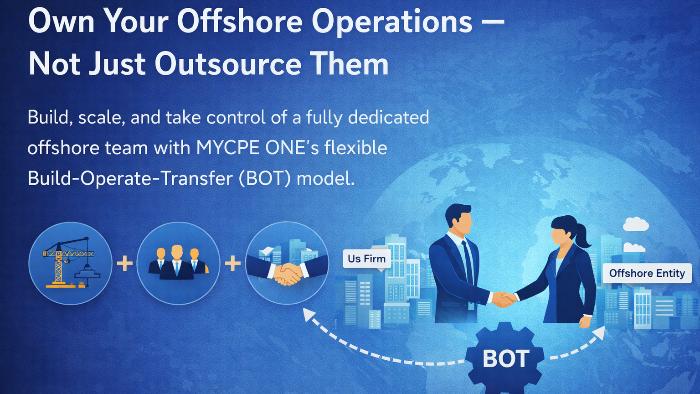
Own Your Offshore Operations — Not Just Outsource Them
Build, scale, and take control of a fully dedicated offshore team with MYCPE ONE’s flexible Build-Operate-Transfer (BOT) model.

How Firms are Rethinking Reasonable Comp (Quick Video)
It’s a short video and makes the value of repeatable, data-backed approach clear (especially compared to spreadsheets, gut checks and one-off calculations).
Resources
Valuable information provided by our sponsors.
Education & CPE: Realizing AI's Impact in Accounting Through Responsible Adoption
Becker surveyed hundreds of accounting professionals to see how they are using AI and how...
Provided By:

Effective, Hands-On Training That Fits Your Schedule and Your Budget
Save your seat in Becker’s new Open Enrollment Staff Level Training (SLT) and take part in expert-led tax...
Provided By:
CPAdirectory members have access to discounted auto and home insurance
At CPAdirectory, we think it's a good thing to provide our members with access to...
Provided By:

The accounting firms growing fastest all have this in common
Discover the billing and cash flow strategies helping firms get paid faster and grow smarter.
Provided By:
Stop Tool-Hopping: See what's new at Canopy (Plus $75)
Canopy has released massive updates to give you a truly all-in-one experience and consolidate your...
Provided By:

Free CPE-eligible Webinar: Lead Your Clients to a Successful Business
Free CPE for CPAs: Learn how to transform financial data into actionable guidance, deepen client...
Provided By: